
Entry tariff:
96–112 UCAS points (or equivalent)
Foundation Year: 64–80 UCAS points (or equivalent)
International Foundation Pathway:
64 UCAS (or equivalent)
IELTS: 5.5
When we consider applications to study with us, we form a complete view of your achievements to date, and future potential through our contextual offers.
UCAS code:
K100
K104 (if choosing Foundation Year)
Start date(s):
September 2027
Develop your design identity through making, collaboration and critical thinking - preparing for professional practice with skills employers actively seek.
Working with engineering and construction students, you will learn how buildings come together through joint projects, drawing, modelling and building in dedicated studios and workshops. History and theory ground your ideas; site visits and study trips show you how design decisions become reality. Sustainability runs through every project as a technical and ethical question. You will work in the new Dorothy Buchanan Building with labs and fabrication equipment, preparing for future professional accreditation.
Did you know
Your design projects align with UN Sustainable Development Goals, working in interdisciplinary teams to address real social, environmental and technical challenges from Year 1. You'll test materials in our labs, calculate embodied carbon, and use timber and reused steel - skills that put you ahead in sustainable design practice.
Graduate with an advanced set of skills and professional expertise, ready for industry.
Architects are responsible for designing buildings and structures that are functional, safe, aesthetically pleasing, and sustainable. Their duties include creating detailed architectural plans and ensuring that designs comply with building codes and regulations. Architects collaborate with key design team stakeholders to oversee the construction process, addressing any design-related issues that arise. Ultimately, architects guide a project from concept through completion, balancing artistic vision with practical considerations.
- Analytical and problem-solving - apply techniques to complex architectural questions at the boundaries of the discipline
- Collaborative working - evaluate evidence and arguments across disciplines to reach sound judgements
- Ethical design - respond to the climate emergency with building physics knowledge informing zero carbon standards
- Communication - present ideas creatively and effectively to technical and non-technical audiences
- Making - move between hand drawing, CAD, laser cutting, 3D printing and material testing
- Site literacy - read construction processes and apply observations to design
Top 3 in London for student satisfaction
Complete University Guide 2026

#1 in London for student life
WhatUni Student Choice Awards 2026
Accreditation
Your programme has been designed around RIBA themes, values and graduate attributes exactly what professional bodies expect. Like all new UK architecture courses, we're currently completing our validation process. We're confident in the quality of your learning experience and fully committed to achieving formal accreditation as soon as possible.
Why study Architecture at Roehampton?
A new programme that treats architecture as a material practice. You will graduate able to design with technical confidence, collaborate across disciplines and meet professional standards.
Interdisciplinary learning and ready for practice
Work to professional standards on real briefs with interdisciplinary teams. An optional sandwich placement between Years 2 and 3 gives you structured experience before graduation.
Design Through Making
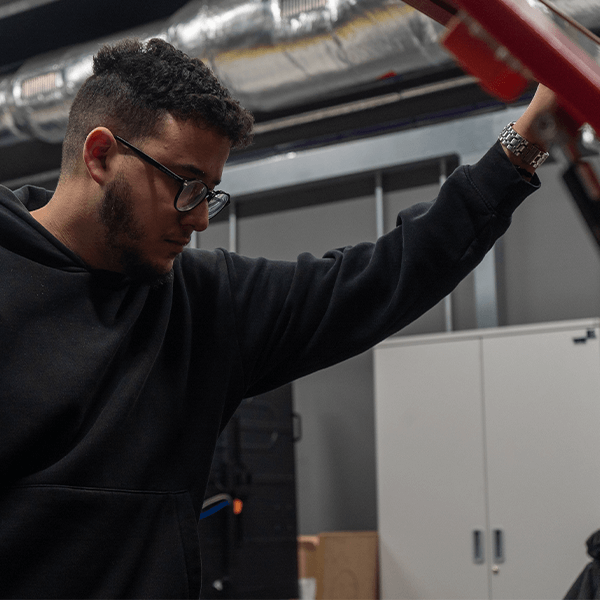
Test ideas in studio through drawing, model-making and material experimentation. Use laser cutting, 3D printing and workshops to explore how design decisions affect construction.
See How Buildings Work
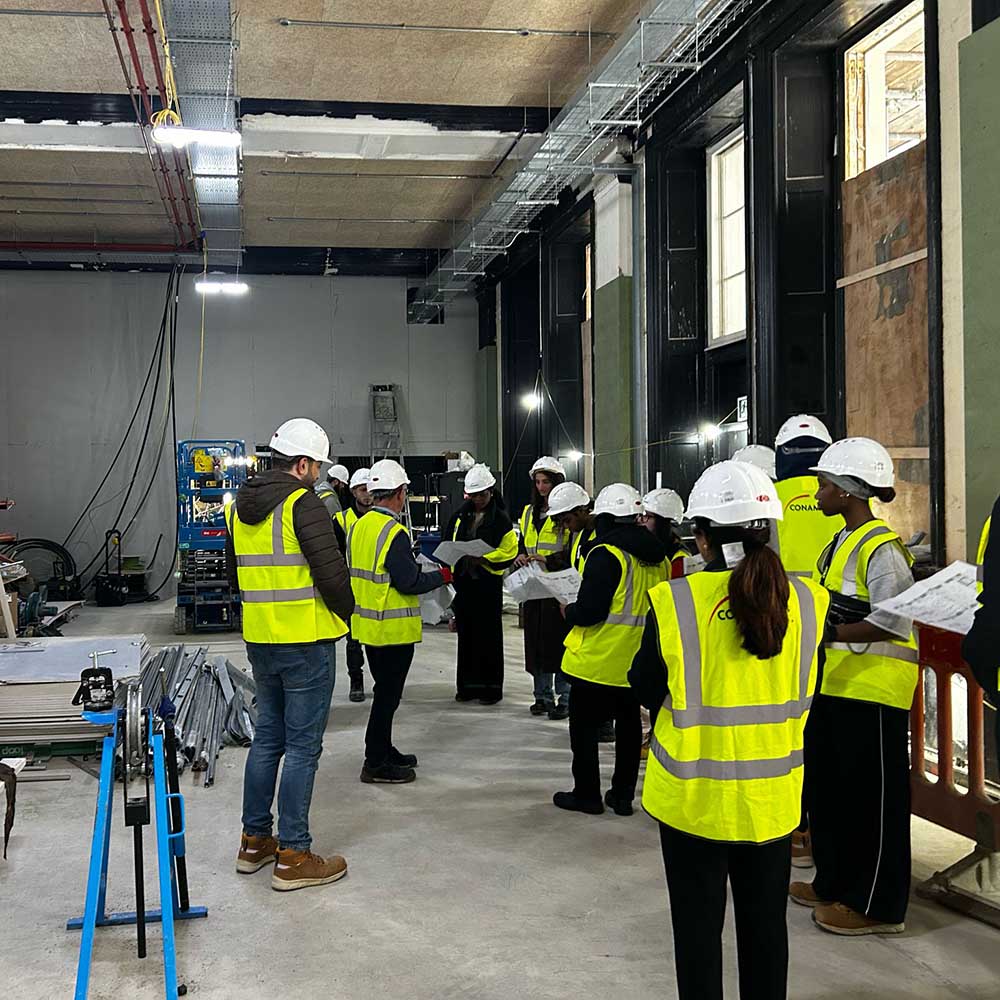
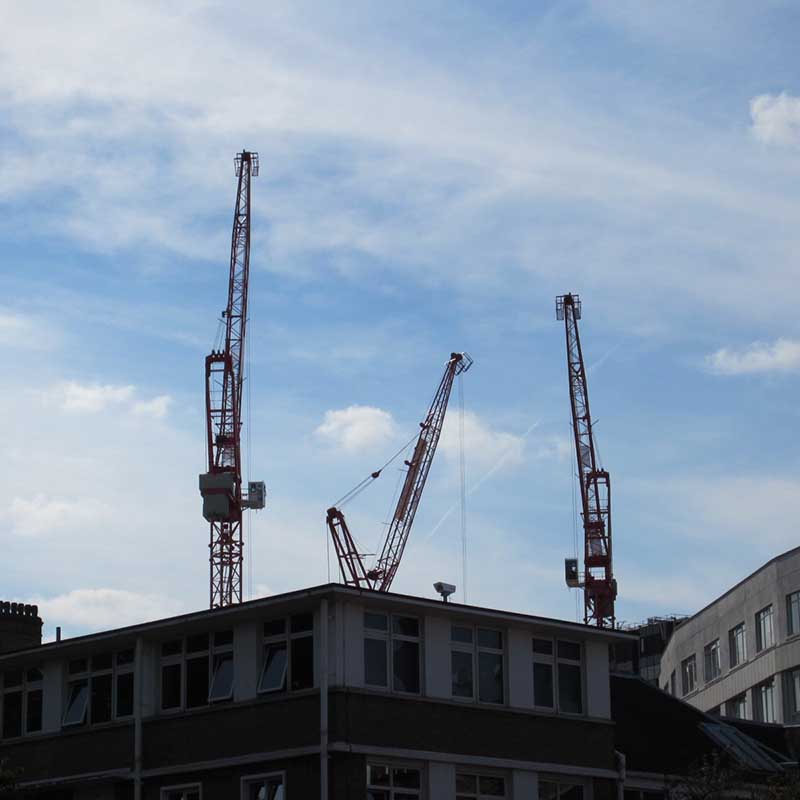
Visit live construction sites to see structure, materials and process firsthand. Study trips examine how buildings are used and inhabited. Practitioners join reviews and seminars, linking your work to current practice.
Modules
Module overview: This studio-based module introduces you to the fundamentals of architectural design through observation, research, representation and early-stage design development. You will explore how architectural ideas are generated and developed through an iterative process of inquiry, making, testing and reflection. Working at a small architectural scale, you will investigate how design responds to context, use and spatial intention. The module introduces key design considerations such as site response, user experience and material awareness.
How you'll learn: You will draw, model and research in our studios and workshops, analysing precedents and communicating ideas through hands-on experimentation. Weekly sessions combine structured observation with studio work, developing your skills through iteration, collaboration and critical reflection.
Module overview: This module introduces you to the fundamental principles of construction technology and materials, focusing on their application in low-rise domestic buildings. It covers the mechanical and physical properties of materials, material selection for sustainability, and construction technology from foundations, walls, roofs and floors, together with building services.
How you'll learn: You will spend time in our laboratories learning about the properties of different materials in terms of their strength and stability, and undertaking hands on, practical experiments. These experiments will be linked to your lectures and tutorials and many of the teaching weeks have classroom learning followed by lab sessions to consolidate your learning.
Module overview: This module introduces architectural history and theory through modern and contemporary movements and key architects. You will develop critical thinking, analytical and communication skills essential for academic study and professional practice. Through lectures and seminars, you will interpret architectural narratives and buildings, learning to research, write critically and present ideas effectively.
How you'll learn: Structured tutorials and group discussions enhance your learning. You will explore topics through visual and written formats, developing skills applicable to architectural practice, journalism, heritage conservation and academia. On completion, you will be able to analyse and understand the basic principles of architectural histories and theories.
Module overview: This is the first in a series of interdisciplinary design projects. You will work in interdisciplinary teams with students from across SETEC programmes to design a residential project, resolving it across form, function, space and material while balancing technical, environmental and social parameters. You will develop concept designs, learning to integrate professional perspectives, rationalise ideas and communicate solutions through drawings, models and concise technical descriptions.
How you'll learn: Taught sessions introduce ethics, project planning, risk management, environmental assessment and health and safety. You will learn to search and summarise literature, write technical prose and think critically while working in interdisciplinary teams.
Please note, these modules may be subject to change.
Module overview: Extending your understanding of construction technology, this module focuses on high-rise frame construction and new methods. You will explore complex buildings including basements, superstructure frames, envelope systems and building services. Topics include internal space flexibility, fire and life safety, and sustainable disposal of buildings. Sustainability runs throughout, from demolition waste to alternative materials and energy-efficient design.
How you'll learn: You will develop analytical and problem-solving skills through study of contemporary technology principles, future adaptation and refurbishment options. Safe working practices are introduced with each element, aligned to relevant codes of practice, preparing you for careers in architectural technology, construction management and sustainable engineering.
Module overview: This module builds on Level 4 studies, deepening your understanding of architectural history and theory through urban design and the evolving role of the architect. You will explore 19th and 20th century urban design theories alongside the historical development of architectural practice within the construction industry. The module develops your understanding of professional identity and responsibility within the built environment, preparing you for reflective practice.
How you'll learn: Through lectures and seminars, you will analyse influential texts, projects and practitioners, examining how ideas about the city, place-making and environmental responsibility shape contemporary practice. You will strengthen your critical reading, analytical thinking and academic writing through structured discussion and written work.
Module overview: This studio module develops architectural design as an experimental, iterative process with environmental thinking at its core. Building on Level 4, you will design a small to medium-scale project shaped by context, climate, light, orientation and ventilation. Emphasis is placed on exploration and design development, encouraging critical reflection and creative risk-taking.
How you'll learn: Through drawing, model-making and diagramming, you will test how environmental conditions influence form, space and experience. Studio tutorials, peer discussion and critique support the communication and refinement of your ideas, preparing you for more complex and integrated design challenges.
Module overview: This module applies Level 4 and 5 skills to an adaptive reuse and small-scale development project. You will develop sustainable design capabilities using novel materials, timber, reused steel and carbon accounting—skills highly sought in contemporary practice. Working in interdisciplinary teams, you will simulate professional practice through problem-based learning aligned with SETEC contexts such as UN Sustainable Development Goals and industry collaboration.
How you'll learn: Tutorial and studio sessions support individual and group work. You will present designs using hand drawing, CAD, physical models and specifications, developing skills in parametric design and optimisation while continuing your self-reflection and CPD planning.
Please note, these modules may be subject to change.
This course offers all students the option of a one-year paid work placement, to boost your employability even further. If you choose this route, you will take the placement following year two of your course, and then return to complete your degree.
Why take a placement?
A placement year is the perfect opportunity to gain valuable work experience, to build on the career skills we will teach you on this degree. The connections you make on the placement will improve your career prospects further, and equip you with the skills you need to secure graduate-level employment.
How we support you
The University's Placement and Work Experience Team are experts at helping you to secure a placement. They will work closely with you from the start, helping you research potential employers, discover placement opportunities, create and pitch your CV, and will coach you to perform well in interviews. We aren't able to guarantee a placement, but our sector-leading advisors will give you the best possible chance of securing one.
Find out more about how we'll support you
We understand that your plans might change once you start your programme. If you decide not to do a placement, you will have the option of completing the three year version of your programme.
Whatever your choice, you will have access to many opportunities for work experience through our Placement and Work Experience Team, and access to face-to-face and 24/7 online careers support.
Module overview: This final studio module integrates your design skills at the scale of the city, drawing on your environmental knowledge from Year 2 and your representational skills from Year 1 to address complex urban challenges. You will analyse site and urban conditions, applying principles of sustainable and resilient city-making at a masterplan scale. The module strengthens your ability to link strategic urban thinking with building-level design, recognising the relationship between individual projects and their surrounding communities.
How you'll learn: You will develop confidence in responding to regulatory requirements, environmental responsibilities and contextual constraints through structured design exercises. Studio tutorials and independent work refine your judgement and design communication skills, preparing you for professional practice.
Module overview: This module enables you to undertake an independent research project exploring a contemporary issue within the built environment. Working with a supervisor, you will identify a topic, develop aims and objectives, and apply appropriate research methods to investigate a real-world challenge. You will strengthen your ability to critically review literature, collect and analyse data, and present findings to a professional standard. The module develops key skills in research, critical thinking, project management and professional communication relevant to careers in the built environment.
How you'll learn: You will work with a supervisor to shape your inquiry, receiving guidance on methods and professional standards. Structured support for reflection on ethical responsibilities and industry contexts runs alongside your independent research.
Module overview: You will design larger-scale, complex built environment artefacts for a specific development site, aligned with SETEC contexts such as UN Sustainable Development Goals. You will conduct site research and explore design and construction developments. The module covers project planning, cost estimation, risk assessment, ethics, sustainability and EDI, alongside research methods and technical writing.
How you'll learn: You will work in interdisciplinary teams to develop coordinated design solutions that integrate architectural, engineering, financial and social requirements into a unified proposal. Collaboratively, you will interpret and challenge the brief to develop holistic, concept-level solutions.
Optional modules
Based on your interests and possible focus of your career you can select one of the following modules:
Module overview:
This module will develop knowledge and understanding of how sustainable and emerging technologies are transforming the design, production and management processes of buildings to ensure that these buildings are energy efficient, resilient to climate change and contributing to UN sustainable development goals. You will explore and evaluate options for sustainable design and production technologies and management for future buildings.
The design aspects will include green and passive design, renewable energy systems, water conservation and choice of sustainable materials. The production options will include the use of design for manufacturing and prefabrication, 3D printing and robotics and automation. You will consider whole life cycle performance of buildings, and you will analyse operational and production control decisions relating to planning, health and safety, quality and other key factors and the relationship between maintenance requirements, materials, and sustainability considerations. You are expected to use or relate to the environmental assessment tools to justify their selected sustainability strategies.
How you'll learn:
This module will use, if possible, a live building project provided by a construction, architecture or property development company and guest lectures / workshops to inform the innovative solutions that have been or should be considered for realising sustainable building. You will be challenged to think about the use of emerging technologies for future proofing the built environment.
Module overview:
In this module, you will explore fundamental theories and concepts of project management in construction. Construction projects are complex and provide challenges in managing resources mainly people, plant and materials, specialist subcontractors effectively. You are introduced to contemporary principles and concepts in project management and the processes, tools and methodologies that are utilised to complete the construction projects successfully are explored.
The relationship of project management with strategic objectives of the client organisation, quality, health and safety, risk management are covered. You will be introduced to time cost relationships and techniques of progress monitoring of the projects including the use of Building Information Modelling.
You will develop critical project management skills, including leadership, risk management, and stakeholder communication, preparing you for careers in construction, architecture, and infrastructure development.
How you'll learn:
Lectures will cover theories, process and techniques related to the subject, while seminars/ tutorials will consist of project-based tasks, problem solving and creative activities. There will be an additional 30 minutes of asynchronous digital support per week. This will consist of pre-recorded lectures, videos and other digital materials
Module overview:
This Level 6 module explores advanced methodologies and technologies for optimizing building performance and sustainability, with a specific focus on ultra-low energy solutions such as Passivhaus and Minergie, thermal bridge calculations, and air quality assessment. You will gain insights into the principles of ultra-low energy design, emphasizing strategies that ensure energy efficiency and a comfortable indoor environment.
You will engage with advanced building modelling tools that facilitate comprehensive performance simulations, allowing for detailed assessments of energy usage, thermal dynamics, and environmental impacts. A significant emphasis will be placed on thermal bridge calculations, enabling you to identify potential thermal weaknesses in building envelopes and implement effective mitigation strategies.
A key aspect of this module will be the assessment of air quality, particularly the importance of evaluating volatile organic compounds (VOCs). You will learn how to analyse indoor air quality parameters and understand the implications of VOCs on occupant health and comfort. The module will guide you in assessing ventilation strategies that effectively reduce VOC concentrations and enhance overall environmental quality in buildings.
In terms of practical experience, you will participate in thermal imaging surveys to visually assess building performance and identify areas of heat loss or thermal bridging. This hands-on experience will enhance your understanding of how these assessments can inform design improvements and energy efficiency strategies.
How you'll learn:
The module will be delivered through a combination of theoretical lectures, practical workshops, and project-based learning, allowing you to apply advanced modelling techniques to real-world scenarios. You will analyse case studies, develop innovative solutions, and collaborate with peers to deepen your understanding of complex building performance challenges.
Module overview:
In this module you will explore the inter-relationship between preserving heritage buildings and infrastructure, and adaption to climate change. By examining conservation principles, legislation, and best practices in refurbishment, adaption and retrofitting, you will gain a critical understanding of how to protect and enhance heritage assets, ensuring their long-term viability whilst contributing to the mitigation of climate change.
How you'll learn:
You will acquire theoretical understanding of conservation principles and develop practical skills by looking at the approaches to the adaption of historic buildings for energy and carbon efficiency and using modelling software to compare different interventions and their effectiveness, taking account of internal comfort levels and moisture control. You will learn in an engaging and practical environment by the use of case studies, site visits, interactive lectures and seminars, debates, visits to historic/traditional buildings and workshops on energy modelling tools.
Please note, these modules may be subject to change.
This course is offered as a degree with foundation year – a four-year programme which provides an additional foundation year at the beginning of the degree, that will give you academic and practical experience, as well as the skills you need to ensure you are equipped to successfully complete your chosen degree.
Find out more about our degrees with a foundation year
Foundation programme delivered by the School of Continuing Education. The exact modules for our foundation programme are currently in development. For more information, please contact us.
Careers
There are opportunities for graduates of the BSc Architecture in the built environment sector, internationally, nationally, and regionally.
BSc Architecture graduates work in architectural practices as architectural assistants or design assistants, progressing toward qualification as a registered architect.
Other graduates move into technical design roles, CAD technicians or BIM coordinators, where employers value the combination of design thinking and technical fluency you develop at our course.
Your interdisciplinary background also fits construction and project delivery roles: project coordinator, site supervisor, construction management or material specification. The sandwich placement between Years 2 and 3 gives you structured industry experience to enter these roles with confidence.
You can also continue studying to become a fully qualified Architect, registered with the Architects Registration Board (ARB).
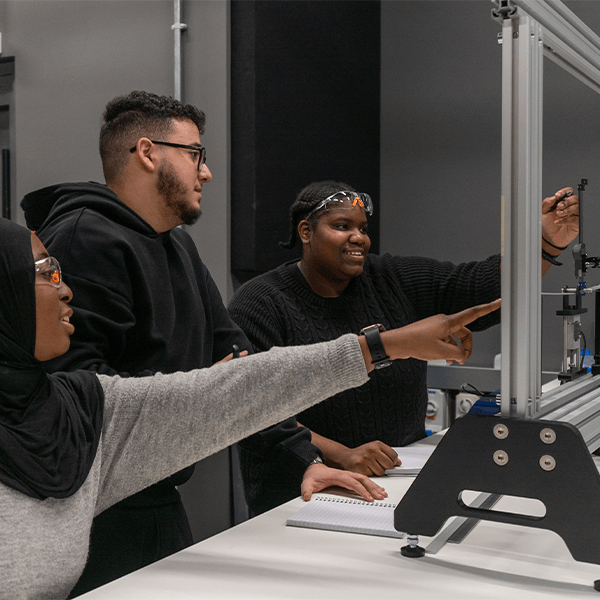
The Student Futures team is here to support you throughout your time at Roehampton and beyond.
They offer services tailored to your needs, helping you take confident steps towards your future.
You’ll have access to a wide range of career workshops and events, where you can engage with employers and develop the skills you need to succeed in the workplace.
These opportunities will help you build your CV, prepare for interviews, and connect with successful Roehampton graduates who are thriving in their careers. You’ll also be able to engage with our partners across London and beyond.
Wherever you want to go in the future, you'll be preparing for the world of work from your very first day.
Our graduates' salaries grow faster than the UK average
Longitudinal Education Outcomes 2026

Learning and Assessment
How you'll learn:
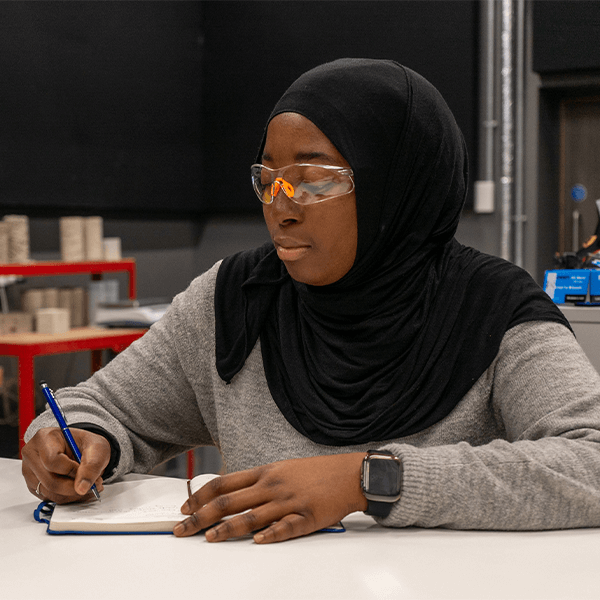
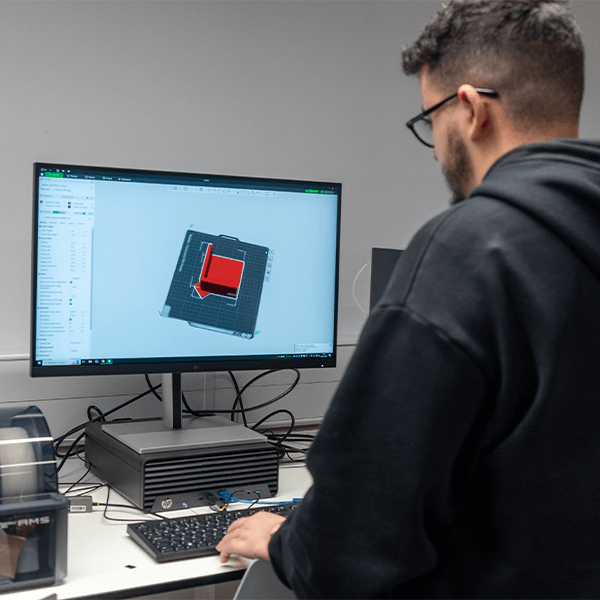
You will learn via a combination of lectures, design studio, workshops, group seminars, group tutorials, and practical experimentation.
You will learn both in interdisciplinary groups and discipline specific topics, in open studio spaces, on project driven activities. These will be supported by lectures, seminars, hands-on activities, field work and site visits.
How you'll be assessed:
Authentic assessment, professional standards
Your work is assessed as it would be in practice: through design portfolios, technical reports and presentations to tutors and visiting professionals. There are no examinations.
Design-led assessment
Design projects form the core of your degree. You will build a portfolio demonstrating development from initial concept to resolved proposal, tested through drawings, physical models and material studies. Each project requires design-led solutions that integrate technical, environmental and social considerations.
Technical and critical outputs
Alongside design work, you will submit lab reports documenting material testing and analysis, essays demonstrating research skills and critical thinking, and technical reports addressing building performance, embodied carbon and zero carbon standards.
Formative and summative review
Regular interim reviews with academic staff and external practitioners provide structured feedback to develop your work. Final submissions are assessed against professional bodies’ standards.
Open days
Get a real taste of our campus, community and what it’s like to study at Roehampton
Entry requirements
Entry tariff
96–112 UCAS points (or equivalent)
Foundation Year: 64–80 UCAS points (or equivalent)
Looking to work out your UCAS points or find out about our entry requirements? Find out more.
When we consider applications to study with us, we form a complete view of your achievements to date, and future potential, and can offer flexibility in entry requirements. Find out more about our Contextual Offer scheme.
Specific entry requirements
GCSE grade 4/C or above in English and Maths.
General entry requirements
Entry tariff
96–112 UCAS points (or equivalent)
International Foundation Pathway:
64 UCAS (or equivalent)
IELTS: 5.5
Looking to work out your UCAS points or find out about our entry requirements? Find out more.
When we consider applications to study with us, we form a complete view of your achievements to date, and future potential, and can offer flexibility in entry requirements. Find out more about our Contextual Offer scheme.
Specific entry requirements
GCSE (or equivalent) at grade 4/C or above in English and Maths.
General entry requirements
Apply now
Applying to Roehampton is straightforward, and we're here to guide you through every step and answer any questions you might have.
If you currently live in the UK or Ireland, you can apply directly through UCAS. Check out our UCAS application guide for all the information you need.
If you live in the UK and already have all your exam results, you can apply to us directly.
If you’re an international student, you can apply to us directly or add Roehampton as a choice on your UCAS application. Check out our guidance for international students for more information.
If you have any questions or need some support, reach out to us.
Fees and funding
UK students
Tuition fees
| Entry date | Undergraduate Year 1 | Undergraduate Foundation Year |
|---|---|---|
| September 2026 | £9,790 | £9,790 |
Prices shown are for the first year of your degree.
Funding your studies
We also provide other ways to support the cost of living, including on-campus car parking, hardship support and some of the most affordable student accommodation and catering in London.
International students
Tuition fees
| Entry date | Undergraduate Year 1 | Undergraduate Foundation Year | International Foundation Pathway |
|---|---|---|---|
| September 2026 | £20,280 | £20,280 | £20,280 |
| January 2027 | – | – | £20,280 |
Prices shown are for the first year of your degree.
Funding your studies
We also provide other ways to support the cost of living, including on-campus car parking, hardship support and some of the most affordable student accommodation and catering in London.

Need help or advice before applying?
Computing, Engineering, and the Built Environment
Join a vibrant community where we shape sustainable future through innovation, collaboration, and real-world impact.


