
You'll need:
Please see "applying" for additional entry requirements.
Duration:
3 years
Start date(s):
September 2026
Become an Early Years Teacher while you work
The Early Years Teacher Degree Apprenticeship (EYTDA) is a flexible, employment-based route to gaining a degree and achieving Early Years Teacher Status (EYTS).
Designed for practitioners working in nurseries, pre-schools and other early years settings, this apprenticeship combines academic study, workplace learning and professional practice. You'll remain in paid employment throughout your studies, applying your learning directly within your setting while developing the knowledge, skills and behaviours needed to become an Early Years Teacher.
Working closely with employers and sector partners, Roehampton's apprenticeship will help you develop into a confident early years professional capable of leading high-quality practice and supporting children's learning and development from birth to age five.
You'll graduate with a degree aligned to the QAA Early Childhood Studies Benchmarks and on successful completion of the apprenticeship achieve Early Years Teacher Status (EYTS), giving you the professional recognition and expertise to progress within the early years sector.
#1 in London for Childhood and Youth Studies
National Student Survey 2026
Why choose Roehampton?

Stay on campus at no extra cost
For 2026–27, accommodation and subsistence are included for scheduled campus days, at no extra cost to you or your employer.
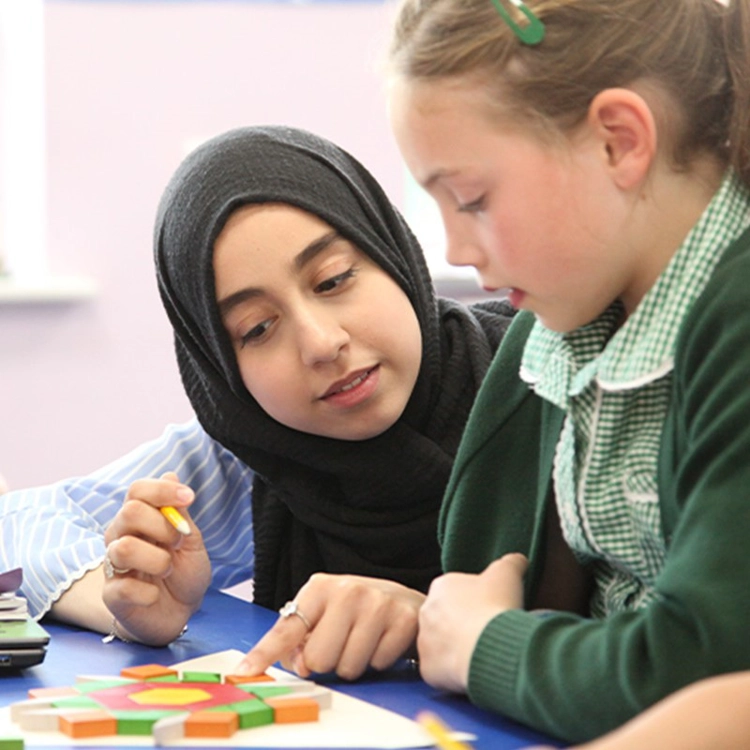
Earn while you learn
Remain employed throughout the programme while gaining a degree-level qualification and professional status.

Flexible learning designed for professionals
Apprentices are released by their employer for one day of online learning each week, with two days on campus each term for practical, hands-on teaching.
Learn how to turn observations of children into meaningful, inclusive learning plans that support language, literacy and mathematics through play and everyday interactions. You will explore observation methods, the Early Years Foundation Stage statutory framework, special educational needs and disabilities provision, and children’s transitions between settings. By connecting university learning with workplace practice, you will develop the confidence, leadership skills and professional accountability to plan collaboratively with children, families and other professionals, while keeping each child’s voice and holistic development at the centre.
Explore how young children develop and learn, with a focus on observation, ethical practice and the factors that influence their wellbeing, relationships and holistic development. You will examine typical and atypical development, statutory early years frameworks, observation methods and the role of adults in supporting children’s individual needs. Through university study, practical experience and expert feedback, you will develop the knowledge, skills and study techniques required for the Early Years Teacher Degree Apprenticeship, guided by a Froebelian approach that places the whole child at the centre of practice.
Explore the life, work and philosophy of Friedrich Froebel, the pioneer who established the first kindergarten. You will examine how Froebelian principles have shaped contemporary early childhood practice, with a focus on play, observation, child-centred learning, relationships and engagement with nature. Through expert guidance, practical application and reflection, you will develop the knowledge, skills and behaviours required for the EYTDA apprenticeship, while keeping children’s wellbeing, development and individual needs at the heart of your practice.
Develop your professional practice in an early years setting while working towards the Early Years Teacher Standards. You will apply the knowledge, skills and behaviours gained through the taught course, putting key strategies into practice through professionally focused learning. With expert guidance and feedback, you will build confidence, reflect on your progress and develop the skills required for the Early Years Teacher Degree Apprenticeship.
These are the current planned modules on this course and may be subject to change.
Explore how physical and mental health, relationships and wider environmental factors influence children’s holistic development and wellbeing. You will examine areas including trauma, stress, socioeconomic circumstances, transitions, secure attachments and nurturing personal care. Through workplace-based learning, you will develop the skills to create safe, inclusive environments, apply statutory safeguarding guidance and work effectively with families and multi-agency professionals. You will also build the leadership, communication and advocacy skills needed to develop, implement and present policies that promote and protect children’s health, safety and wellbeing.
Explore how to design relevant, inclusive and adaptable curricula that meet the learning and development requirements of the Early Years Foundation Stage in England. You will evaluate different approaches to curriculum planning, teaching and enabling environments, considering how they support children’s social, emotional, linguistic, physical, cognitive and creative development. Through expert guidance and workplace practice, you will learn to distinguish statutory requirements from guidance, compare approaches used across the UK and beyond, and develop the knowledge and skills required for the Early Years Teacher Degree Apprenticeship.
Develop the knowledge and skills to support young children with special educational needs and disabilities, alongside their families. You will explore theories of disability and inclusion, early identification and assessment, relevant statutory guidance, and approaches to creating accessible learning opportunities. Through workplace practice and expert feedback, you will learn to provide personalised support, work effectively with families and multidisciplinary professionals, and apply a child-centred, Froebelian approach that places children’s rights, wellbeing and holistic development at the heart of practice.
Complete a second block of assessed practice in an early years setting, developing your professional skills in line with the Early Years Teacher Standards. You will apply the knowledge, skills and behaviours gained across the first and second years of the course, bringing together university learning and workplace practice. With expert guidance and feedback, you will strengthen your confidence, reflect on your progress and develop the professional competencies required for the Early Years Teacher Degree Apprenticeship.
These are the current planned modules on this course and may be subject to change.
Develop the advanced knowledge, professional judgement and leadership skills needed to lead high-quality, inclusive and ethically informed practice in early years settings. You will examine safeguarding, child protection, children’s rights and multi-agency working, drawing on current legislation, policy and research. Through workplace practice and expert feedback, you will learn to make informed decisions, support colleagues, influence organisational culture and work effectively with families and professionals across education, health and social care.
Undertake an action-research project to evaluate and improve an aspect of practice in your early years workplace, focusing on language and communication, inclusive provision for children with additional needs, or outdoor learning. You will draw on research, policy and reflective practice to design and assess an evidence-informed intervention. Working with colleagues, families and other professionals, you will develop the leadership, quality assurance and decision-making skills needed to improve provision, support setting-wide change and create inclusive, rights-respecting learning environments.
Complete your final block of assessed practice in an early years setting, developing your professional skills in line with the Early Years Teacher Standards. You will bring together the knowledge, skills and pedagogy gained throughout the course and apply them confidently in the workplace. With expert guidance and feedback, you will refine your practice, reflect on your professional development and demonstrate the competencies required for the Early Years Teacher Degree Apprenticeship.
These are the current planned modules on this course and may be subject to change.
Skills
Develop the knowledge and professional expertise to lead high-quality early years practice
Throughout the programme, you'll develop:
- Expert understanding of child development and early learning
- Curriculum planning and assessment skills
- Safeguarding and child protection expertise
- Inclusive practice and SEND knowledge
- Leadership and mentoring capabilities
- Communication and partnership-working skills
- Reflective and evidence-informed practice
- Professional behaviours aligned to the Early Years Teacher apprenticeship standard
You'll be employed through the apprenticeship enabling you to apply theory directly to your professional setting, building up knowledge and professional skills through your studies.
Early Years Teacher Status (EYTS)
The EYTDA consists of the Knowledge, Skills and Behaviours statements (KSBs) which have been designed to meet the Early years teachers' standards - GOV.UK and the QAA Subject Benchmark Statement - Early Childhood Studies.
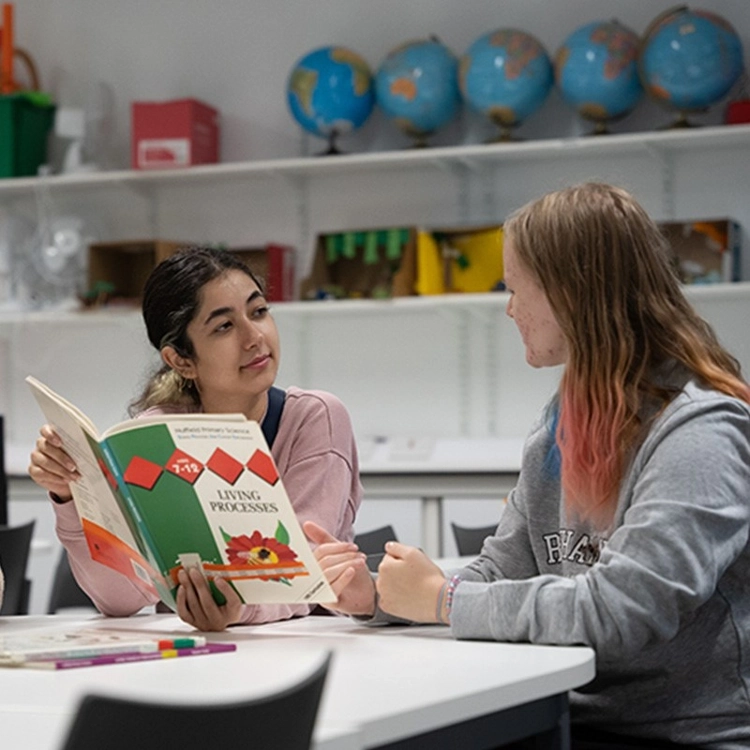
Careers
Shape the future of children's learning and development
Graduates will be well positioned to progress into a range of roles across the early years sector, including:
- Early Years Teacher
- Early Years Lead Practitioner
- Room Leader
- Nursery Manager
- SEND-focused Early Years Practitioner
- Family and Community Support roles
The programme combines academic achievement with extensive workplace experience, helping you develop the expertise, confidence and professional recognition needed to advance your career within a sector experiencing continued demand for skilled practitioners and leaders.
How our careers service supports you
Our careers team can support you throughout your studies and beyond, helping you identify progression opportunities, develop your CV and continue your professional development within the education sector.

The Student Futures team is here to support you throughout your time at Roehampton and beyond.
They offer services tailored to your needs, helping you take confident steps towards your future.
You’ll have access to a wide range of career workshops and events, where you can engage with employers and develop the skills you need to succeed in the workplace.
These opportunities will help you build your CV, prepare for interviews, and connect with successful Roehampton graduates who are thriving in their careers. You’ll also be able to engage with our partners across London and beyond.
Wherever you want to go in the future, you'll be preparing for the world of work from your very first day.
Top 10% in the UK for graduate earnings
Education and Teaching at Roehampton

Learning
Study flexibly while remaining in employment
The programme is designed to balance professional responsibilities with academic study through both online teaching sessions and on-campus learning.
Teaching may include:
- Live online teaching sessions
- Guided independent study
- Workplace-based learning activities
- Collaborative discussions and peer learning
- Reflective practice
- Professional mentoring and support
- Structured workplace observation and feedback
Learning is closely integrated with your employment, allowing you to immediately apply new knowledge and skills within your setting.
You'll be supported by experienced academics, apprenticeship specialists and workplace mentors throughout your studies.
Regular reviews involving you, your employer and the university will help ensure your progress, wellbeing and professional development remain on track.


Assessment
Demonstrate your learning through professional practice
Assessment is designed to reflect the realities of working in early years education.
You may be assessed through:
- Portfolios of evidence
- Reflective writing
- Presentations
- Workplace projects
- Professional discussions
- Observation of practice
- Applied academic assignments
Throughout the programme, you'll build a portfolio demonstrating your development against the apprenticeship Knowledge, Skills and Behaviours (KSBs) and professional standards.
Applying
To undertake an apprenticeship, you must first find an employer who is willing to employ you as an apprentice. This is the candidates’ responsibility. The University does not have a list of employers with vacancies. Once you have found an employer they can contact us for an onboarding pack: apprenticeships@roehampton.ac.uk
Entry Requirements:
The EYTDA is open to new and experienced early years professionals employed in schools or registered early years settings. As per the EYTDA standard and apprenticeship funding rules, entrants must as a minimum:
- have achieved GCSE grade 4 (C) in English, Maths and Science
- be employed or starting to work in a paid position in an early years setting offering the Early Years Foundation Stage (EYFS)**
- meet residency requirements set out in Annex A of the apprenticeship funding rules
- have the right to work in the UK
- be eligible for funding under the apprenticeship funding rules for the year the apprentice starts their course
Additionally, entrants will need to:
- 96 UCAS points which can be made up from a range of appropriate qualifications. Candidates with overseas qualifications should produce a statement of equivalence from ENIC.
- have satisfactorily completed suitability to teach checks. The apprentice’s employer must confirm to UoR that the apprentice has completed safer recruitment checks and has a satisfactory DBS and other specified safeguarding checks.
Tuition Fees and Funding:
Apprenticeship training costs are typically funded through the Growth and Skills Levy or employer co-investment arrangements. Apprentices remain employed and earn a salary throughout the programme.
If you are an employer and would like to offer apprenticeships at your organisation, please get in touch with us by emailing apprenticeships@roehampton.ac.uk. We can provide you with all the information and guidance you need to set these up.

Start your application
Find out more
Get more detailed information on our apprenticeships.